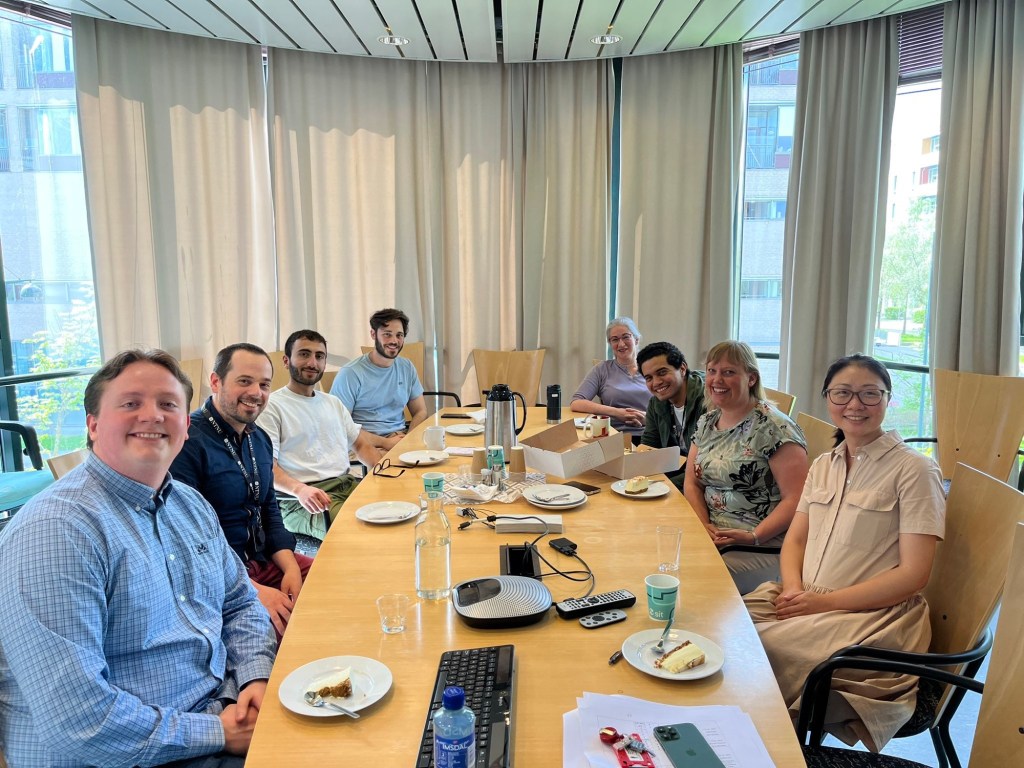
This has been the third year of the Nigro lab and it has been an year of expansion on many directions. First, the lab welcomed two new lab members: Dr Grethe Olsen and Mr Rejwan Salih.
A new postdoctoral fellow will start in January 2024, joining our in vivo neurophysiology group.
Scientifically we started our first steps into sensory neurophysiology, spearheaded by Dr Luis Cobar. The invaluable contribution of Rejwan allowed us to make sense of Neuropixel recordings and to move into computational grounds.
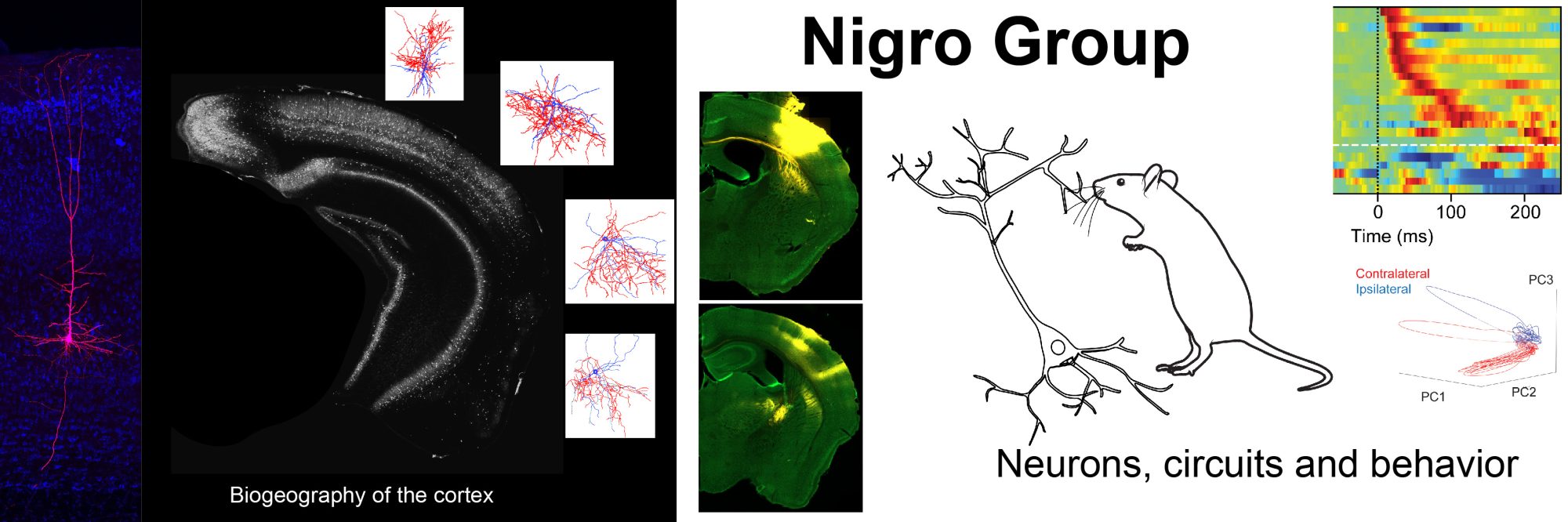
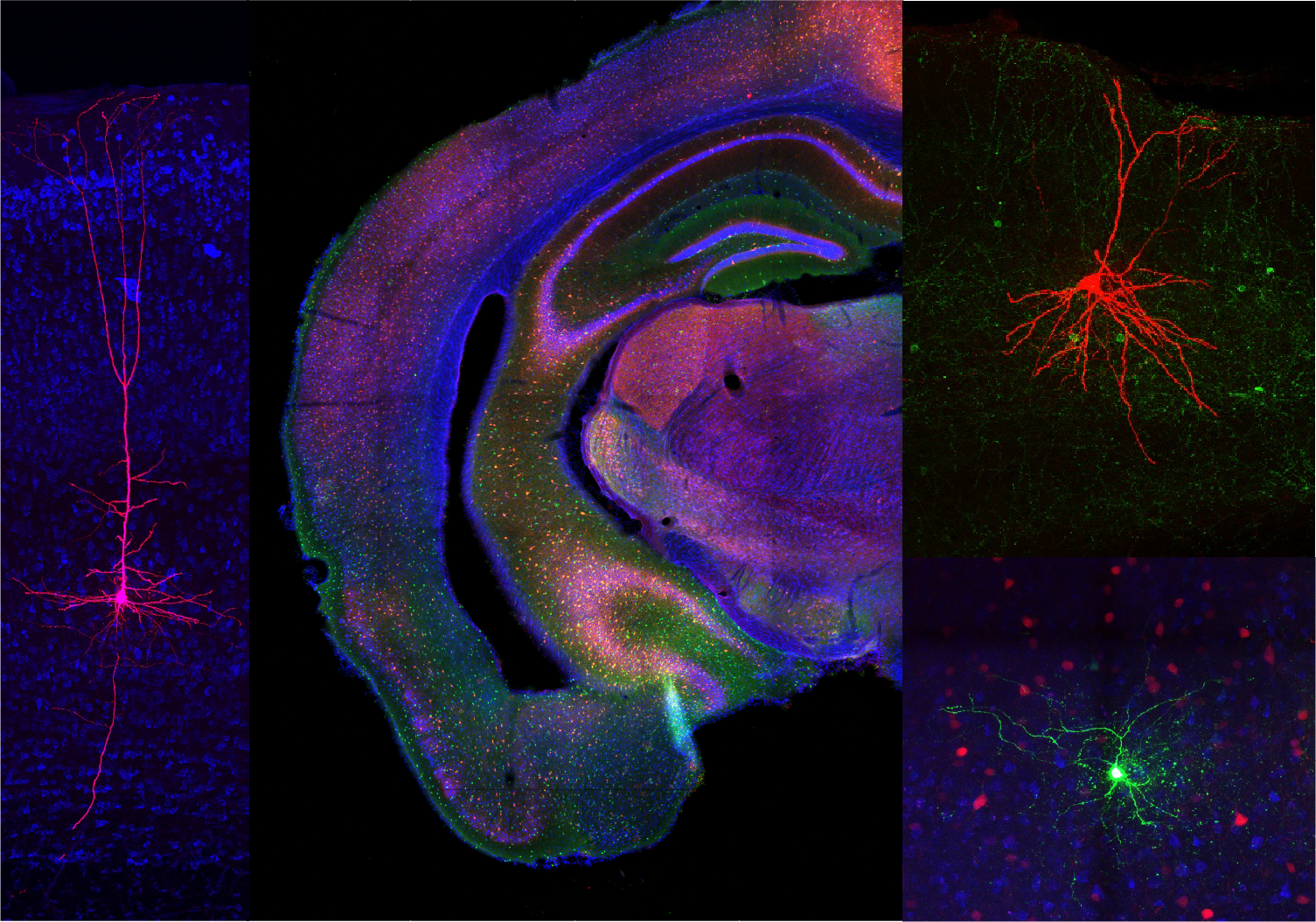
Our efforts at studying the diversity of neurons in the cortex lead us to the discovery of a population of GABAergic fast-spiking neurons not expressing parvalbumin, their typical molecular signature. These inhibitory neurons are particularly abundant in association cortices, such as prefrontal and rhinal cortices. We aim to study the functional implications of this biogeography of fast-spiking neurons in the years to come implementing the in vivo methods recently introduced in the lab.
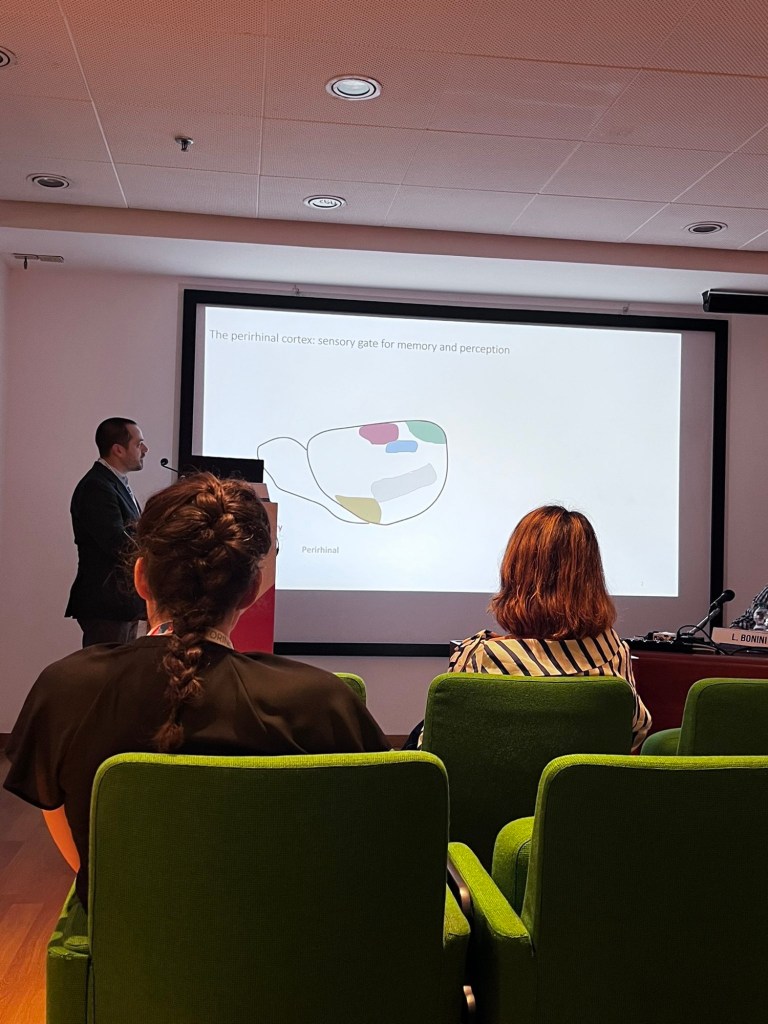
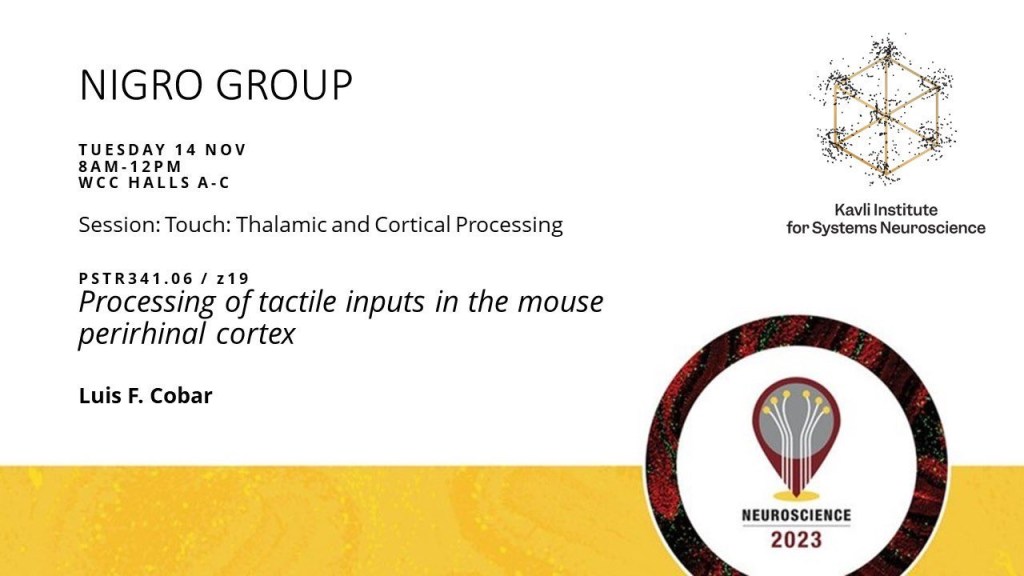
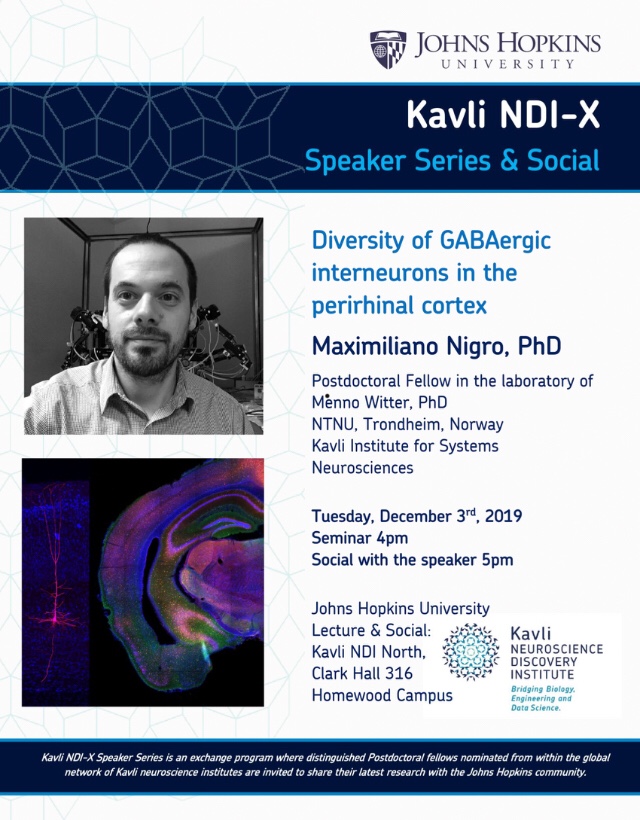
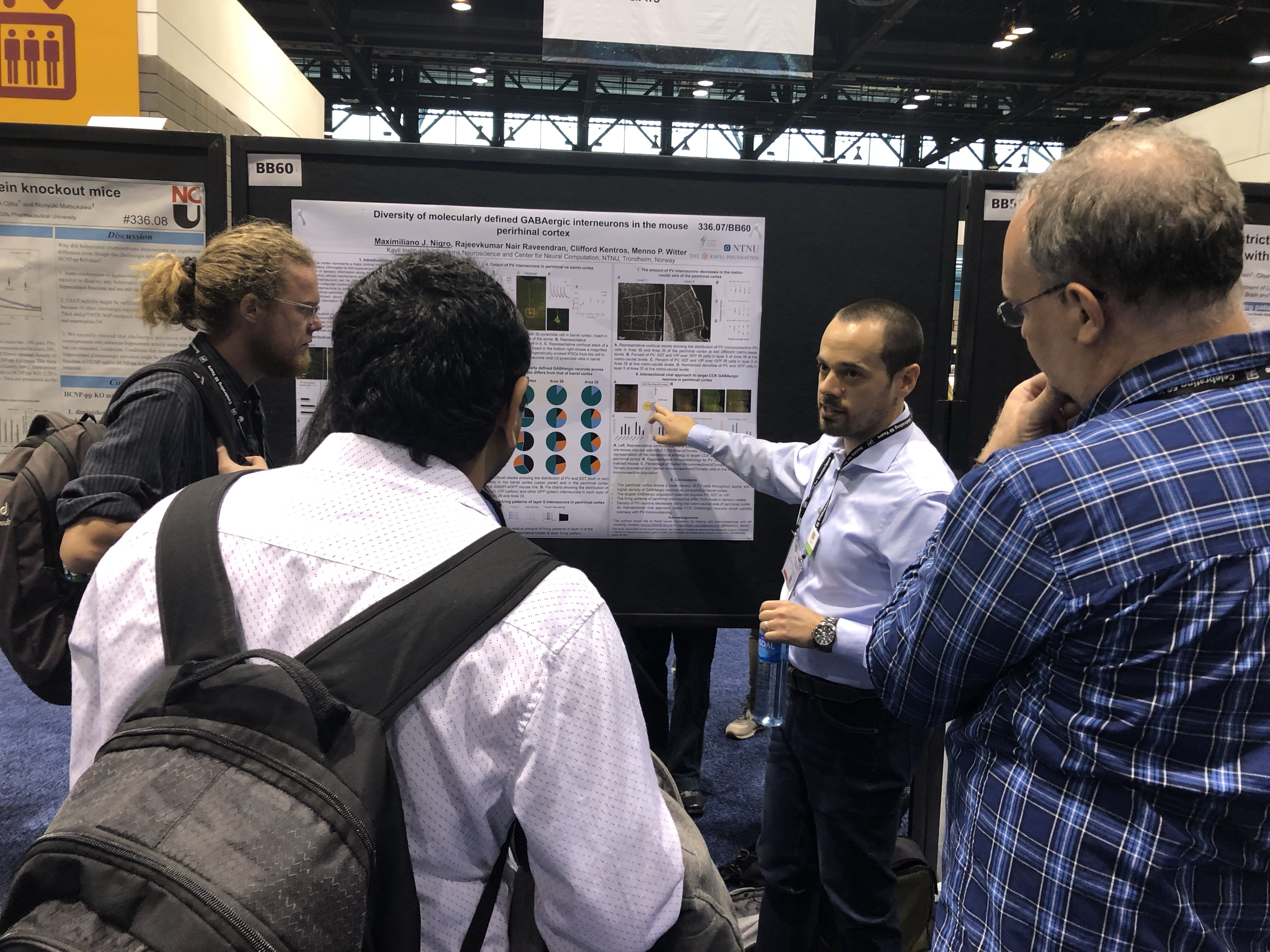
Our work on the sensory physiology of perirhinal cortex and the cellular mechanisms of the perirhinal wall of inhibition were presented by Maximiliano Nigro at the Italian Society for Neuroscience meeting (Turin, Italy) and by Luis Cobar at the Society for Neuroscience meeting (Washington, USA).
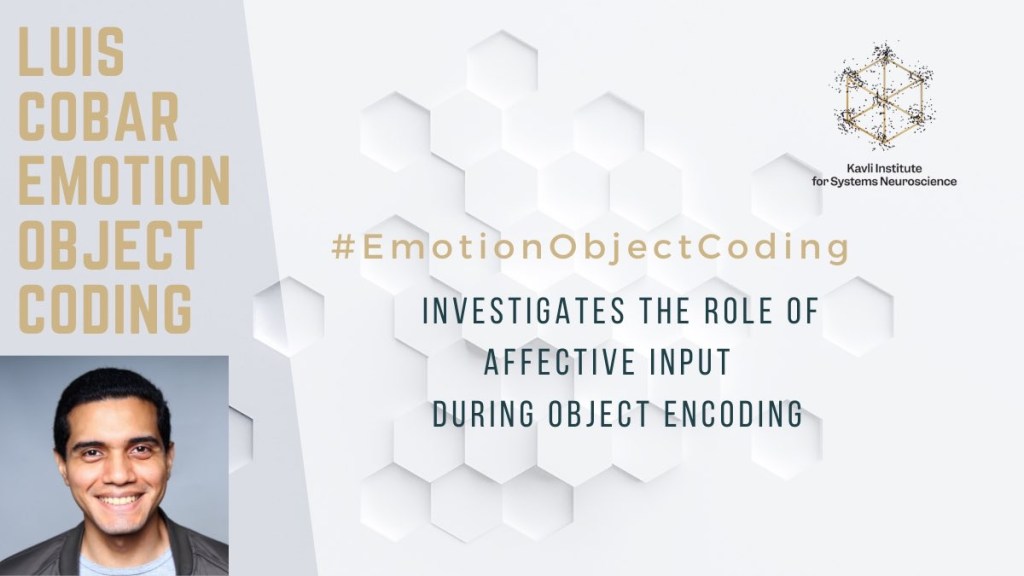
Dr Luis Cobar started his MSCA funded project aiming to study the integration of sensory and emotional information in the mouse perirhinal cortex. This project will open new paths for exploring the ways perirhinal cortex encodes sensory information about objects.
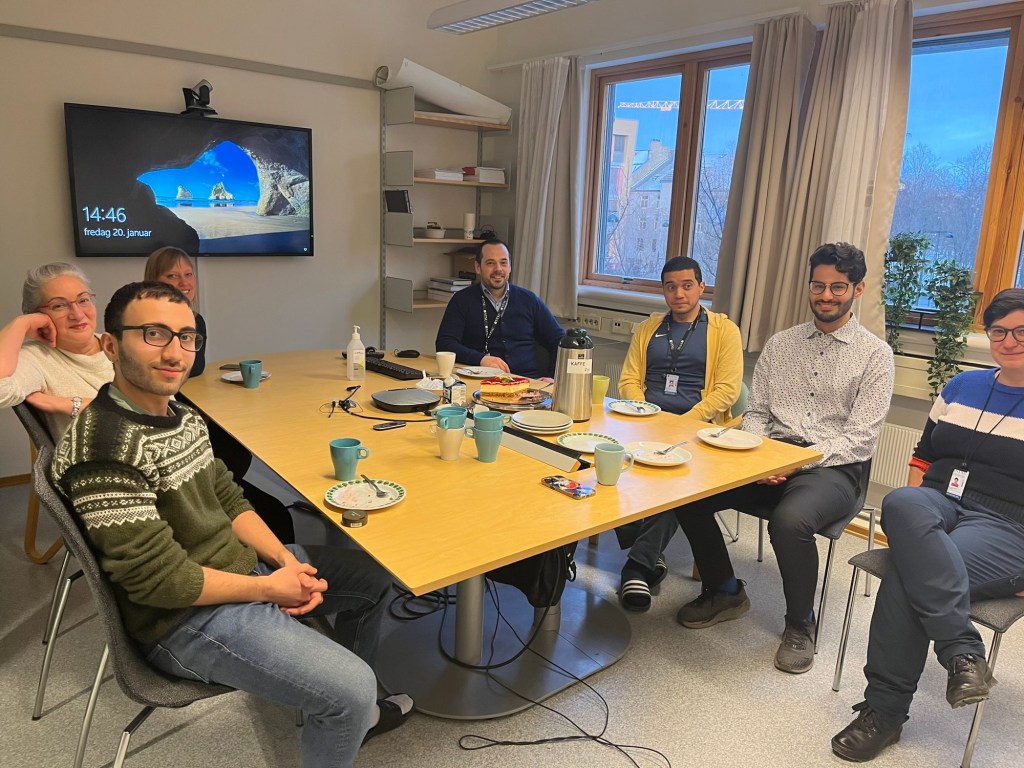
In 2023, the lab graduated two Master students of the Neuroscience program: Mr Adrian Foroughi and Mr Erik Courcelles. Adrian will begin his PhD at NTNU in the lab of Dr Lena van Giesen. Erik, is now searching his way to a PhD after a great job as research assistant with our lab and Dr Giulia Quattrocolo’s lab.
Next year we hope to keep exploring the diversity of cortical neurons and its contribution to cortical computations.
 Nigro lab