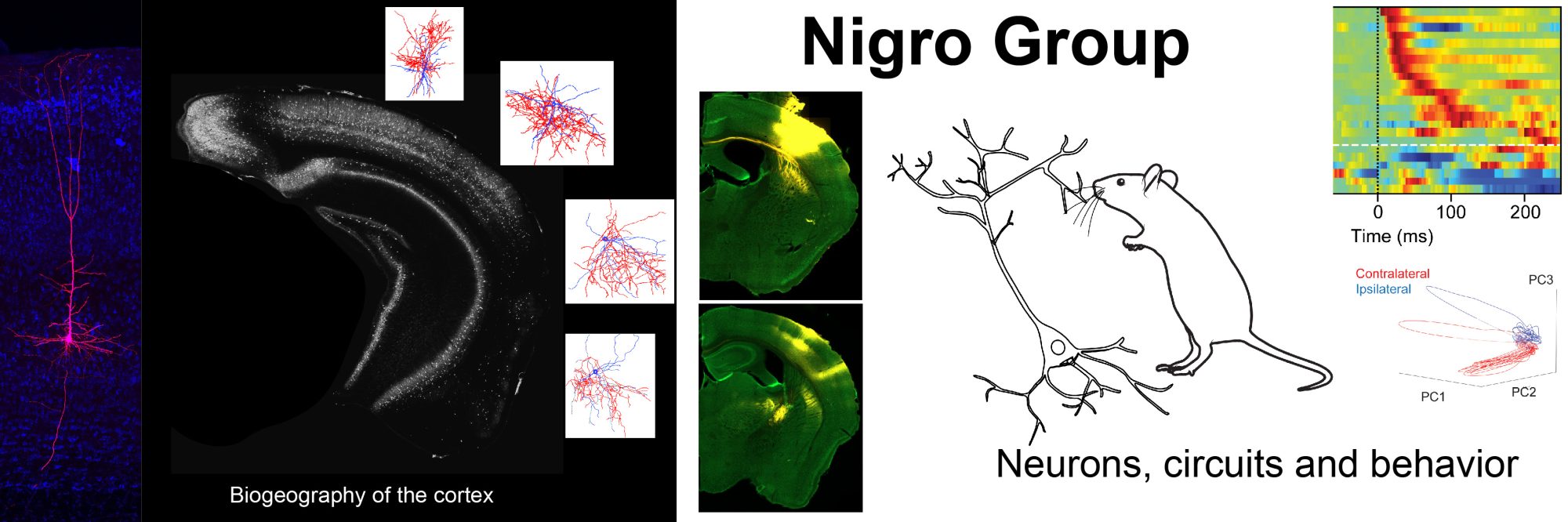
How does a birder study the diversity of neurons in the brain?
Ramon y Cajal, the father of modern neuroscience, described the cortical neurons as the “butterflies of the soul”. He saw beauty in the extraordinary diversity of shapes that neurons show in the cortex, the outermost part of the brain. His drawings show this diversity in all its beauty and allowed him to reach functional conclusions that were demonstrated decades later.
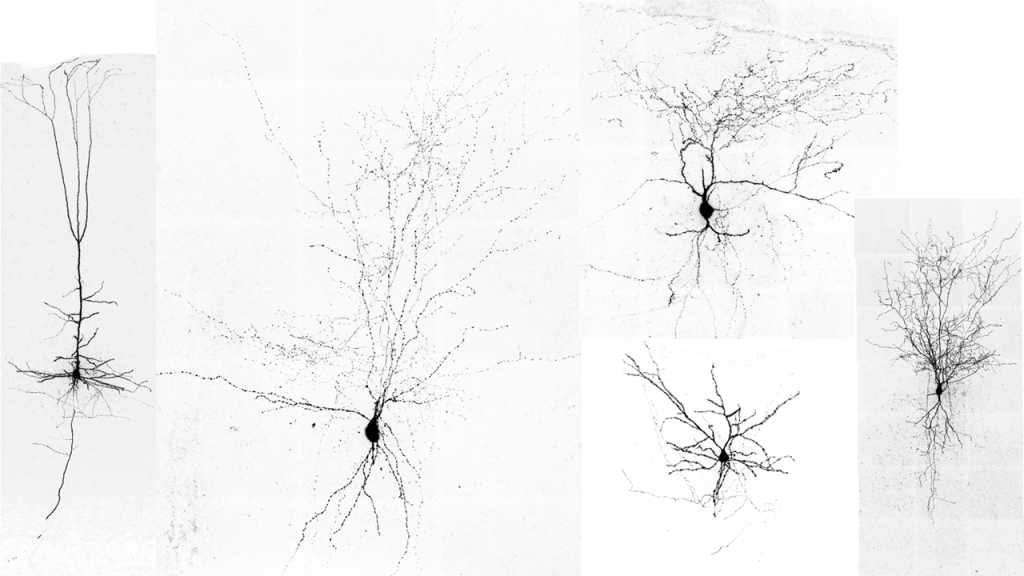
However, often shape is not enough to tell neurons apart so scientists discovered that different types of neurons contain different molecules. Neurobiologists use coloring techniques to stain neurons according to the molecules they contain. Like butterflies, come in different shapes and colors.
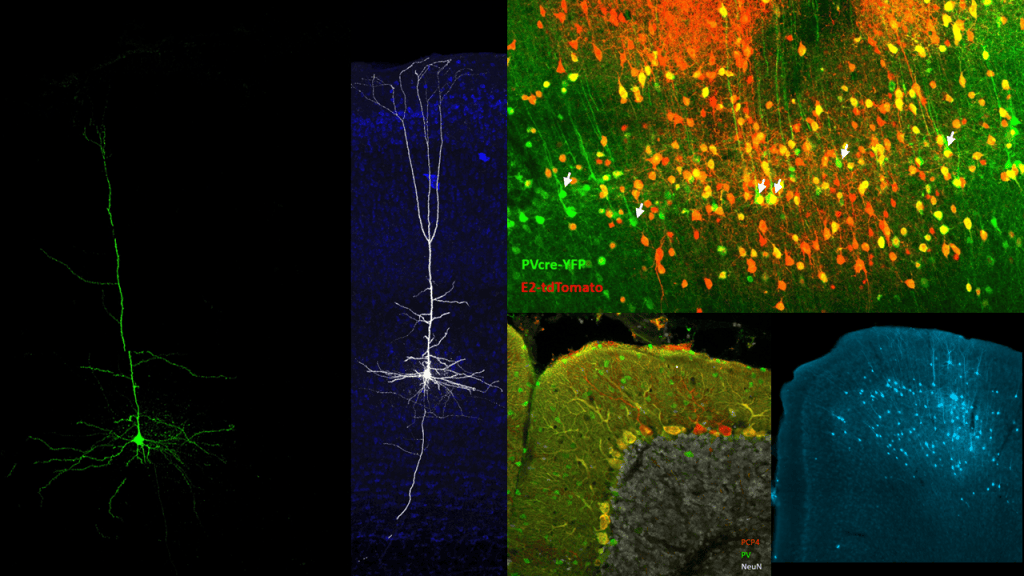
However, a feature of neurons is their ability to transfer information to other cells in the form of electrical signals. These “songs” can be used together with their shapes and colors to identify different types of neurons and understand their function in the brain. This is why I believe neurons are the birds of the brain, enchanting us with the diversity of their shapes, colors and songs.
Take a look at the booklet “Fugletitting i hjernen”, an outreach event organized for the Forskningstorget 2026 at the Vitenskapmuseet in Trondheim. The booklet is in Norwegian and the english version is coming soon.
 Nigro lab